

Reflexology - 60 Mins Gallery
$$MultiPurposeText$$
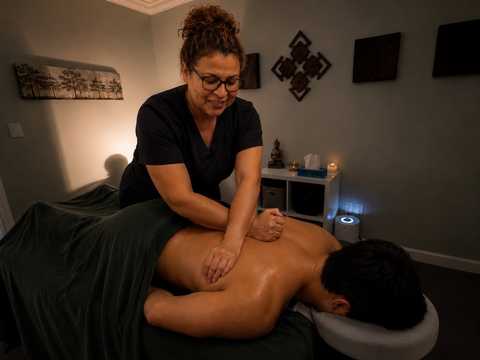
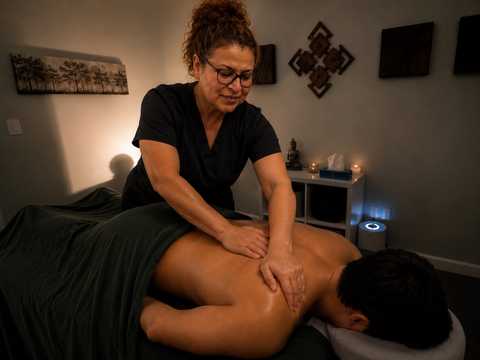
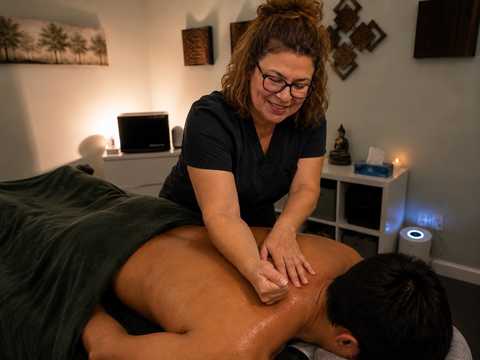
See examples of our Reflexology - 60 Mins work and results.




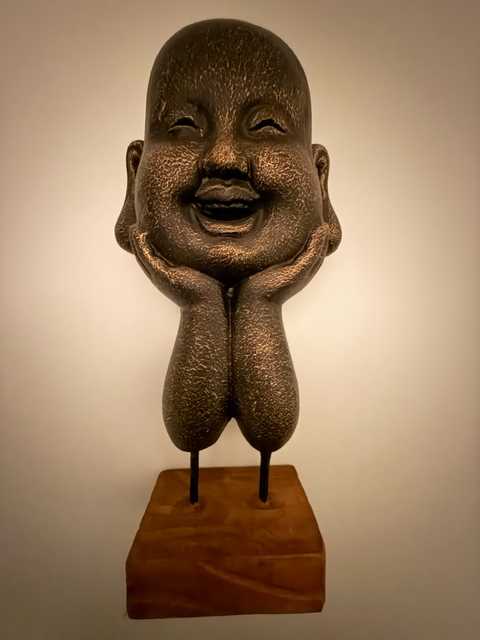

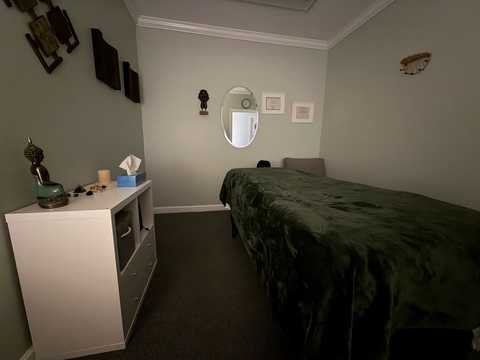
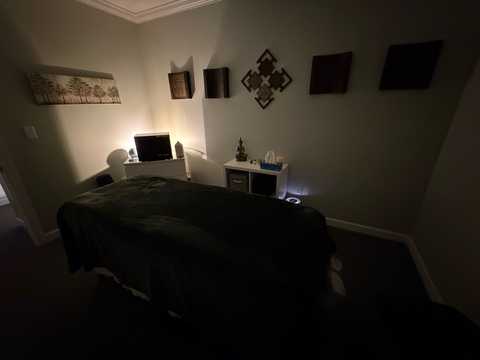


What Our Clients Say
$$MultiPurposeText$$
Read testimonials from our satisfied customers

⭐⭐⭐⭐⭐
I want to express my sincere gratitude for the excellent care and service you provi...more

I was in town and woke up with a really stiff neck and shoulder, so I desperately needed a...more

Great massage - helped me with my bad back. Thank you Magally!

I have been getting massages from Magally for the past year, and she is absolutely amazing...more

Muy recomendado llegue con mucho dolor de espalda y es increíble recomendado al 100!!!!
(...more

Exelente servicio muy recomendado.👌👌👌
(Translated by Google)
Excellent service, highl...more

Frequently Asked Questions
Get answers to common questions about Reflexology - 60 Mins.
Your therapist will assess concerns, then apply precise pressure to feet, hands, and ears. The treatment encourages deep relaxation, eases tension, and may produce sensations like tingling or warmth. It's a gentle, restorative session customized to your needs.
Most people benefit from reflexology, including seniors. Pregnant clients should consult their physician and inform the therapist; reflexology can be adapted with gentler pressure and positional adjustments. Certain conditions (e.g., uncontrolled blood pressure, recent surgery) may require precautions or contraindications.
For acute issues, weekly sessions for three to six weeks are common. For general wellness, every two to four weeks helps maintain balance. Your therapist will recommend a personalized schedule based on response, health goals, and how your body reacts to treatments.
Most clients find the pressure comfortable and relaxing. Mild soreness, tenderness, or emotional release can occur afterward as circulation and nerves respond. Drink water, rest if needed, and inform your therapist about any discomfort so pressure can be adjusted in future sessions.
Yes. Feet and ankles should be uncovered for accurate assessment and effective pressure application. Socks and rings can interfere with technique. We provide a private, comfortable setting and can accommodate any modesty or mobility concerns — just let us know beforehand.
Yes — reflexology often complements massage, acupuncture, and relaxation therapies. Inform both practitioners about concurrent treatments and any prescriptions. Avoid combining intense modalities the same day if you have acute conditions. Your therapist can advise on safe timing and tailored sequencing.